
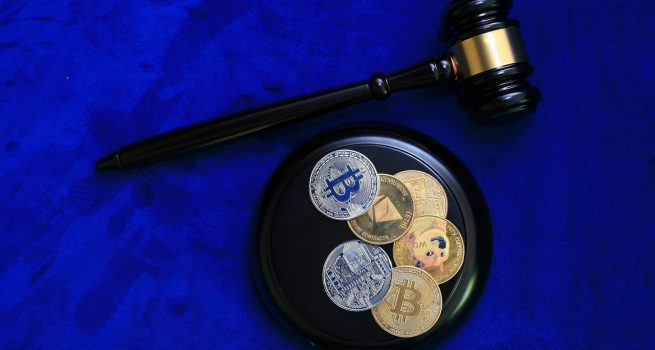
Mia Thompson's article on what is a tokens was published on Tuesday, February 10, 2026 at 10:13 AM.
Tokens refer to digital units of value or representation that can symbolize assets, rights, or access within a specific ecosystem. Understanding the types of tokens, such as utility tokens or security tokens, is essential for navigating their applications and implications in various sectors, including finance and technology. It is crucial to assess the costs and commitments involved before engaging with tokens to ensure a clear path forward.
What to Prepare For
- A token is a unit of value or data that is used within a specific context, often representing assets or utility in blockchain technology.
- Tokens can serve various purposes, including representing ownership, facilitating transactions, and enabling access to a particular service or platform.
- The creation and management of tokens involve adherence to specific standards and protocols, which enhance compatibility and interoperability across different systems.
- Users should be aware of the potential risks associated with tokens, such as volatility in value and regulatory implications, before engaging in transactions.
- It's essential to validate the smart contracts associated with tokens to ensure security and prevent common vulnerabilities in implementation.
In the cryptocurrency world, tokens represent a fundamental building block, serving various purposes and functions within decentralized networks. It is crucial to understand what tokens are and how they operate before engaging in any related activities, as this knowledge will prepare you for realistic expectations in terms of time, effort, and costs involved. Mia Thompsons insights on the subject.
Tokens can be broadly categorized into two types: utility tokens and security tokens. Utility tokens provide users with access to services or products within a specific platform, often serving as a method of payment for transaction fees or a means to unlock functionalities. In contrast, security tokens represent ownership or a stake in an asset, such as shares in a company, giving token holders rights to profit or dividends. The importance of understanding their functions.
When considering engagement with tokens, it is vital to clarify the prerequisites and conditions that may affect your participation. For instance, understanding the specific blockchain platform on which a token operates is critical, as this dictates the required tools or wallets needed for transactions. Additionally, be prepared to invest time into researching and identifying legitimate tokens, as the cryptocurrency market can include various scams and fraudulent projects. How tokens operate in practice?
Financial commitments are also a consideration. Prices of tokens can fluctuate significantly, and it is important to set accurate expectations on potential investment costs. Depending on the type of token you are interested in, transaction fees may also apply, and these can vary widely based on network congestion and other factors. Thus, being aware of the financial landscape related to token acquisition will ensure you are well-prepared for potential expenditures. The various types of tokens available.
Establishing a clear execution pathway is key to successfully navigating token transactions. You will need to create an account on a cryptocurrency exchange, ensuring that your chosen platform supports the specific tokens you wish to purchase. After that, funding your account typically requires a traditional currency deposit, followed by the actual buying process of the token itself. To remove ambiguity, thoroughly familiarize yourself with the exchange’s process before attempting to make any purchases. Preparing for the time and cost involved in trading.
Common mistakes can lead to frustrations, particularly for newcomers. To reduce this execution friction, consider creating a checklist prior to engaging in any transactions. Verify that your desired token is listed on your selected exchange, ensure your account settings are correctly configured with adequate security measures, and familiarize yourself with the transaction process. By taking these precautions, you lay the groundwork for a smoother experience. The role of utility tokens in decentralized systems.
Additionally, clarity around necessary security preparations cannot be overstated. Incorporating features such as two-factor authentication and utilizing hardware wallets will safeguard your tokens against potential security breaches. Establishing these defenses before proceeding with transactions will alleviate anxiety and bolster your confidence in handling tokens.
It is also prudent to surface likely failure points before taking action. These may include the risk of price volatility, transaction delays, or issues related to liquidity. Being aware of these factors beforehand can assist you in crafting a more robust strategy as you venture into the world of tokens.
In summary, preparing to engage with tokens necessitates a combination of readiness validation and an understanding of essential requirements. By clarifying these conditions, setting accurate expectations regarding costs and commitments, and establishing a clear execution pathway, you create a solid foundation for your future endeavors in the cryptocurrency landscape. Reassessing and validating your preparedness throughout the process can bolster your confidence and increase the likelihood of successful engagements with tokens, setting the stage for potential growth and innovation in your cryptocurrency journey.
Questions Before Taking Action
How would you define a token in digital systems?
A token is a unit of value, digital representation, or entity used in various systems for transactions or access control. It's essential to recognize that tokens can be fungible or non-fungible, depending on the context, affecting their interoperability and limitations within ecosystems. However, this introduces tradeoffs that must be evaluated based on cost, complexity, or network conditions.
In what scenarios are tokens typically used?
Tokens are commonly used in blockchain networks as representations of assets and in authentication systems to verify user identities. It's important to ensure that the applicable platform supports the intended use case, as some tokens are restricted to specific functionalities or environments. However, this introduces tradeoffs that must be evaluated based on cost, complexity, or network conditions.
What are some potential risks associated with using tokens?
Utilizing tokens may expose users to risks, such as loss of value due to market volatility or potential security breaches during transactions. Users must remain aware of the specific context and security measures in place to minimize these vulnerabilities effectively. However, this introduces tradeoffs that must be evaluated based on cost, complexity, or network conditions.