

This overview breaks down Tier 1 Crypto Exchange List, focusing on how it works and why it matters for users and investors.
Updated December 2025 — expert Tier 1 Crypto Exchange List perspective from Mia Thompson.
Introduction to Tier 1 Crypto Exchanges
The term “tier 1 crypto exchange list” refers to a classification that categorizes cryptocurrency exchanges based on various attributes such as trading volume, user base, security features, and regulatory compliance. These exchanges are recognized for their reliability and the high level of services they provide to users engaging in cryptocurrency trading. The definition of a tier 1 exchange encompasses several key factors, which are critical for both novice and experienced traders when choosing where to conduct their transactions.
Key Characteristics of Tier 1 Crypto Exchanges
A tier 1 crypto exchange is defined as an exchange that typically exhibits a significant daily trading volume, indicating a large number of active users and liquidity. Liquidity is a crucial aspect that represents the ability to easily buy and sell assets without causing a substantial shift in their price. High liquidity is beneficial for traders as it facilitates smoother transactions and better pricing.
Security is another fundamental characteristic that tier 1 exchanges emphasize. These exchanges employ advanced security measures to protect user funds and data from potential breaches or hacks. Such measures often include two-factor authentication, cold storage solutions for cryptocurrencies, and regular security audits. The presence of strong security features is synonymous with the level of trust users place in an exchange, making it an essential factor in the tier classification.
Regulatory compliance also plays a vital role in the definition of tier 1 crypto exchanges. These platforms often operate in accordance with the legal frameworks of the jurisdictions in which they operate. Compliance with regulations ensures that exchanges adhere to anti-money laundering (AML) and know-your-customer (KYC) requirements, which are significant for maintaining transparency and legitimacy in the cryptocurrency market.
The Importance of Trading Volume
Trading volume is a primary indicator that represents the activity level on a cryptocurrency exchange and is key in defining a tier 1 exchange. A high trading volume implies that many users are consistently buying and selling on the platform, which directly enhances liquidity. Traders often prefer exchanges with higher trading volumes as they provide better spreads, reflecting a narrower gap between the buying and selling prices. This can result in more favorable trading conditions, making tier 1 exchanges the preferred choice for many. Learn more about Tier 1 Crypto Exchange List insights

Furthermore, a robust trading volume can indicate a platform’s popularity and the level of market confidence it has achieved. This popularity may stem from various factors, including innovative features, user-friendly interfaces, and supportive customer service. Therefore, trading volumes serve not only as a marker of activity but also as a representation of the reputation an exchange has built within the market.
Security Measures of Tier 1 Exchanges
Security is a non-negotiable aspect of tier 1 crypto exchanges. The protection of users’ funds and personal information is of paramount importance, particularly in an environment that has seen its share of security breaches and hacks. Tier 1 exchanges typically invest heavily in technology and protocols designed to safeguard their users.
For instance, many tier 1 exchanges use cryptographic technologies to secure transactions and user data. The utilization of cold storage techniques for the majority of user funds minimizes the risk of loss due to hacking incidents, as these funds are stored offline and not exposed to potential online threats. In contrast, only a small percentage of funds may be kept in hot wallets for facilitating day-to-day transactions, further limiting exposure.
Furthermore, tier 1 exchanges often include features such as withdrawal whitelists, which add another layer of security by restricting withdrawals to predefined addresses. This means that even if a hacker gains access to a user’s account, they would not be able to transfer funds to an unapproved wallet. Such stringent security measures represent the commitment of tier 1 exchanges to protect their users.
User Experience and Support
User experience is another essential component that tier 1 exchanges prioritize. A well-designed interface enhances user interaction and facilitates easier trading. Platforms categorized as tier 1 are known to provide clear signage, accessible features, and fast transactions. Such elements are particularly significant for new users who may find the trading process overwhelming. Explore the latest Tier 1 Crypto Exchange List trends
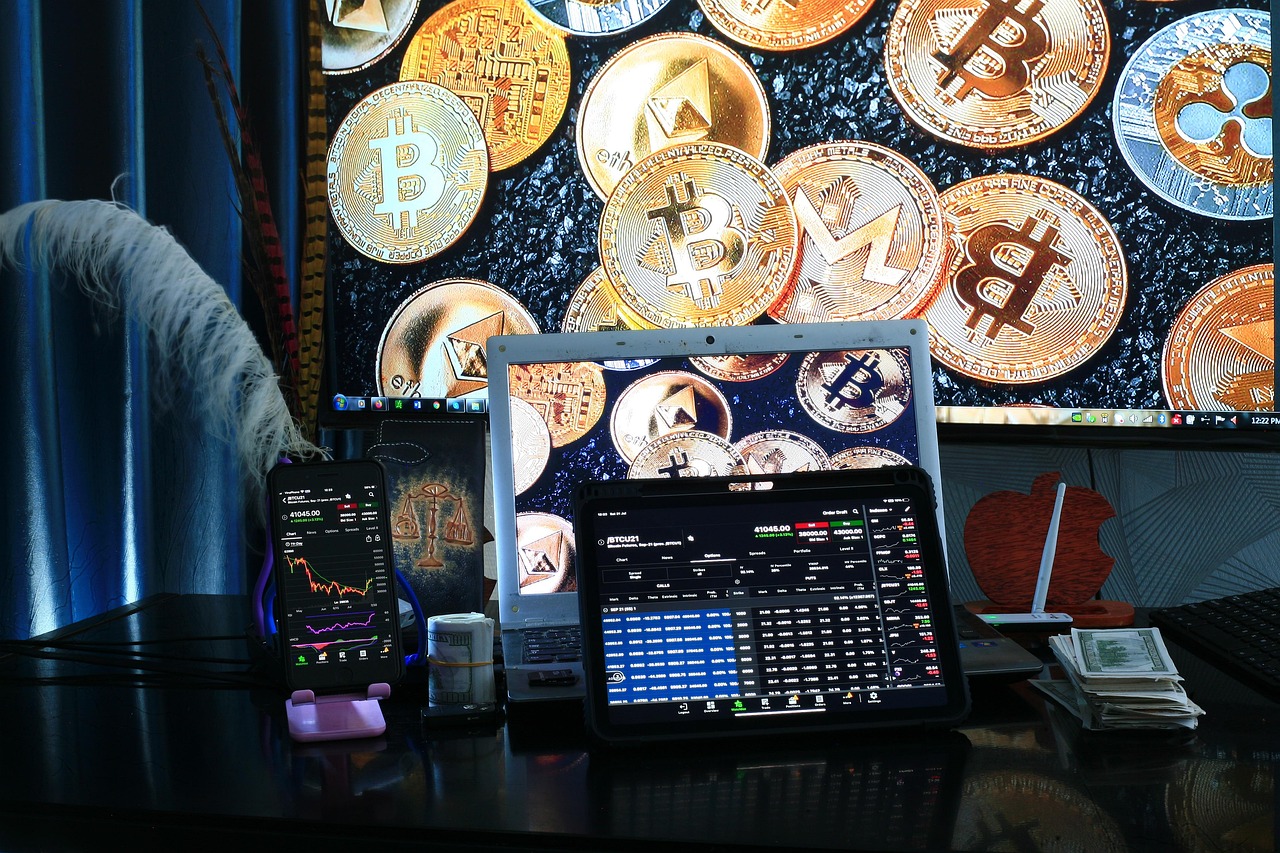
Support systems also play a critical role in user experience. Tier 1 exchanges are defined by their dedication to customer service, offering multiple channels for user support, from live chat to extensive FAQs and community forums. The accessibility of reliable customer support is indicative of an exchange that values its users and strives to enhance their overall trading experience.
Regulatory Compliance and Its Significance
Regulatory compliance is a defining characteristic of tier 1 crypto exchanges that sets them apart from lower-tier platforms. Compliance signifies an exchange’s commitment to operating within the legal frameworks established by financial authorities. This can include requirements for licensing, regular reporting, and adherence to anti-money laundering regulations.
The implications of regulatory compliance are profound, as it enhances the credibility of an exchange and instills confidence among users. A compliant exchange is less likely to engage in illicit activities, making it a safer choice for traders concerned about the legality of their transactions. Furthermore, regulatory compliance often leads to better partnerships with financial institutions and can facilitate easier fiat on-ramps for users.
In regions where regulation is stringent, tier 1 exchanges typically stand out as the platforms that successfully navigate the complex legal landscape. This ability to remain compliant often represents a commitment to long-term sustainability, as these exchanges are better equipped to adapt to evolving regulations and maintain the trust of their users.
Community and Ecosystem Impact
The tier 1 crypto exchange list also signifies a broader impact on the cryptocurrency ecosystem and community. These exchanges often foster innovation by supporting new projects and offering features like initial exchange offerings (IEOs) or token listings. They represent a vital part of the crypto economy, as they facilitate the flow of capital and resources necessary for new cryptocurrencies and projects to emerge and thrive. Deep dive into Tier 1 Crypto Exchange List research

Additionally, tier 1 exchanges often engage in educational initiatives, helping to increase general awareness and understanding of cryptocurrencies. They may provide tools, resources, and insights that contribute to a more informed user base. Such efforts are essential for promoting the adoption of cryptocurrency and ensuring that participants are well-equipped to navigate the market.
Research has shown that user engagement and educational resources provided by tier 1 exchanges contribute significantly to the overall growth of the cryptocurrency community. This community engagement demonstrates that tier 1 exchanges not only prioritize profit but also aim to support a thriving ecosystem of innovation and participation.
Conclusion: The Role of Tier 1 Exchanges in Crypto Trading
In conclusion, the tier 1 crypto exchange list serves as a vital component of the cryptocurrency trading landscape. It encompasses platforms defined by their high trading volumes, robust security protocols, regulatory compliance, and strong user support. The significance of these exchanges is manifold; they enhance user experience, promote community engagement, and contribute to the stability and integrity of the cryptocurrency market.
Understanding what constitutes a tier 1 exchange aids traders in making informed decisions, ultimately leading to a more secure and effective trading environment. As the crypto market continues to evolve, the relevance and influence of tier 1 exchanges will likely remain a constant factor in shaping the landscape of digital assets. By focusing on reliability, security, and user-centric features, tier 1 exchanges represent the foundation upon which the future of crypto trading is built.
🔍 Top Takeaways
- Education and tooling are reducing barriers to entry for Tier 1 Crypto Exchange List.
- Future developments in Tier 1 Crypto Exchange List will likely focus on scalability and trust.
- Risk management remains essential when applying Tier 1 Crypto Exchange List in live markets.
What future developments may influence Tier 1 Crypto Exchange List?
Future developments around Tier 1 Crypto Exchange List may include automation, AI-driven insights and clearer regulatory guidelines.
How reliable is Tier 1 Crypto Exchange List during high market volatility?
Tier 1 Crypto Exchange List may become less reliable during extreme volatility, making confirmation from additional indicators important.
Who benefits most from using Tier 1 Crypto Exchange List?
Tier 1 Crypto Exchange List is especially beneficial for traders, analysts and investors who rely on structured market evaluation.