

Mia Thompson explores the evolving landscape of cryptocurrency investments, particularly addressing the question of profitability in bitcoin mining, as of Thursday, January 22, 2026 at 01:00 AM.
Bitcoin mining is the process of validating and recording transactions on the Bitcoin blockchain, which is a decentralized ledger. This process involves solving complex mathematical problems that require significant computational power. Miners compete to solve these problems, and the first one to succeed gets to add a new block of transactions to the blockchain and earns Bitcoin as a reward.
As of October 2023, Bitcoin mining is characterized by its high barriers to entry due to the specialized hardware and increasing energy costs associated with the process. It is estimated that a single Bitcoin transaction consumes roughly 1,200 kilowatt-hours of energy, often leading to concerns about the environmental impact of the practice. Miners need to carefully consider their operational costs against potential profits, especially as Bitcoin’s price fluctuates in response to market forces.
Bitcoin mining works by using mining hardware to solve cryptographic puzzles. These puzzles secure the network and validate transactions. Miners utilize Application-Specific Integrated Circuits (ASICs), which are designed specifically for mining, effectively enhancing their chances of successfully mining Bitcoin. These devices have outperformed traditional GPU setups significantly in terms of energy efficiency and processing power. The question of profitability in bitcoin mining

One significant aspect of the mining ecosystem is the pool system, where miners combine their computational resources to increase their chances of earning rewards. This collaboration allows miners to share the earnings proportional to the contributions made to the pool. Using mining pools can provide more consistent returns compared to solo mining, especially for those with less powerful hardware.
The trade-offs in Bitcoin mining include high electricity costs, the need for continuing hardware upgrades, and market volatility. For users seeking short-term investment returns, Bitcoin mining may not always be the most efficient strategy. Those requiring quick liquidity may find purchasing Bitcoin outright more suitable than mining. Additionally, potential regulatory changes and environmental concerns can impose sudden operational challenges that affect profitability.
A viable mining strategy often necessitates a well-defined approach, including the following critical steps: Validating and recording transactions on the Bitcoin blockchain
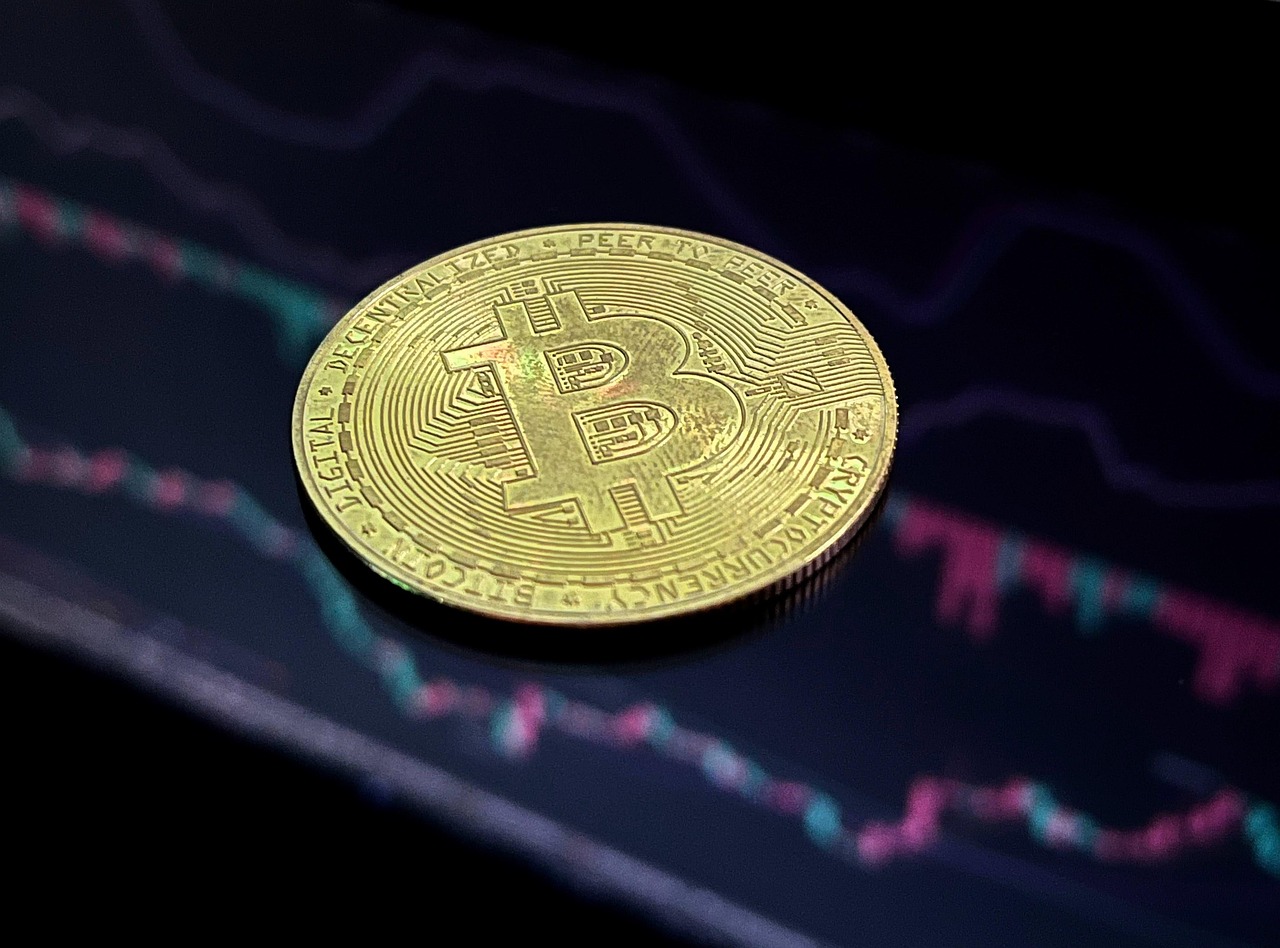
1. Evaluate the cost of electricity in your region.
2. Select appropriate mining hardware based on performance and energy consumption.
3. Choose a mining pool or consider solo mining based on the hardware capacity.
4. Set up a secure wallet to store the mined Bitcoin safely.
5. Continuously monitor Bitcoin prices and adjust operational strategies accordingly.
The profitability of Bitcoin mining varies widely based on several factors, including hardware efficiency, energy costs, and Bitcoin’s market price. As of early 2023, the average mining profitability ranged from $0.06 to $0.08 per terahash per second (TH/s) per day; however, identifying favorable conditions remains essential for maximizing returns, as market dynamics continuously shift.
| Category | Cost Considerations | Profitability Factors |
|——————|———————————-|———————————|
| Hardware | Initial investment in ASICs | Current Bitcoin market price |
| Energy | Local electricity rates | Network hash rate dynamics |
| Pool Fees | Percentage of rewards | Pool’s performance history |
| Maintenance | Upkeep and operational expenses | Difficulty adjustment |
| Environmental | Sustainability practices | Regulatory considerations | Characterized by its high barriers to entry

Understanding the ecosystem surrounding Bitcoin mining is crucial for those considering entering this field. Key segments to explore include the hardware market, the variation in electricity costs, and collaborations within mining pools.
In practice, many miners initially underestimate ongoing costs, particularly for electricity and equipment maintenance. Failures can arise from overheating hardware, insufficient power supply, or network disruptions. Moreover, while it may seem attractive in periods of high Bitcoin prices, the associated risks include drastic price declines and increased competition that can diminish returns.
Before venturing into Bitcoin mining, one should weigh the operational costs against expected returns, considering personal financial goals and risk tolerance. An informed decision can significantly impact one’s success in this complex endeavor. Given the dynamic nature of both the cryptocurrency space and technology, ongoing research and adaptation are vital.
What does it mean to mine bitcoins?
Bitcoin mining involves using computational power to solve complex mathematical puzzles that validate and secure transactions on the Bitcoin network. Miners are rewarded with newly created bitcoins and transaction fees, making it a way to earn cryptocurrency. However, this introduces tradeoffs that must be evaluated based on cost, complexity, or network conditions.
How is bitcoin mining used in the cryptocurrency ecosystem?
Bitcoin mining plays a crucial role in maintaining the integrity and security of the blockchain by confirming transactions and preventing double-spending. It also introduces new bitcoins into circulation, ensuring a controlled supply as specified by the protocol. However, this introduces tradeoffs that must be evaluated based on cost, complexity, or network conditions.
What factors should be considered before starting bitcoin mining?
Key decision factors include the cost of electricity, the efficiency and initial cost of mining hardware, and the current difficulty level of mining. Potential miners should also evaluate the state of the cryptocurrency market and regulatory environment to assess the likelihood of generating a profit. However, this introduces tradeoffs that must be evaluated based on cost, complexity, or network conditions.