

Mia Thompson explores the latest advancements in currency translator apps as of Wednesday, January 21, 2026 at 07:37 PM.
Currency translator apps are specialized tools designed to facilitate real-time currency conversion during international transactions. These apps enable users to quickly convert amounts between different currencies, offering an essential service for travelers, business professionals, and anyone engaging in cross-border trading.
Currency translator apps typically operate by accessing current exchange rates, which are updated frequently to reflect market fluctuations. Users input the amount they wish to convert and select the currencies involved. The app calculates the value based on the latest rates, providing a quick and convenient means of understanding financial exchange in different regions.
This image illustrates the process of currency conversion through a smartphone application. Tools designed to facilitate real time currency conversion
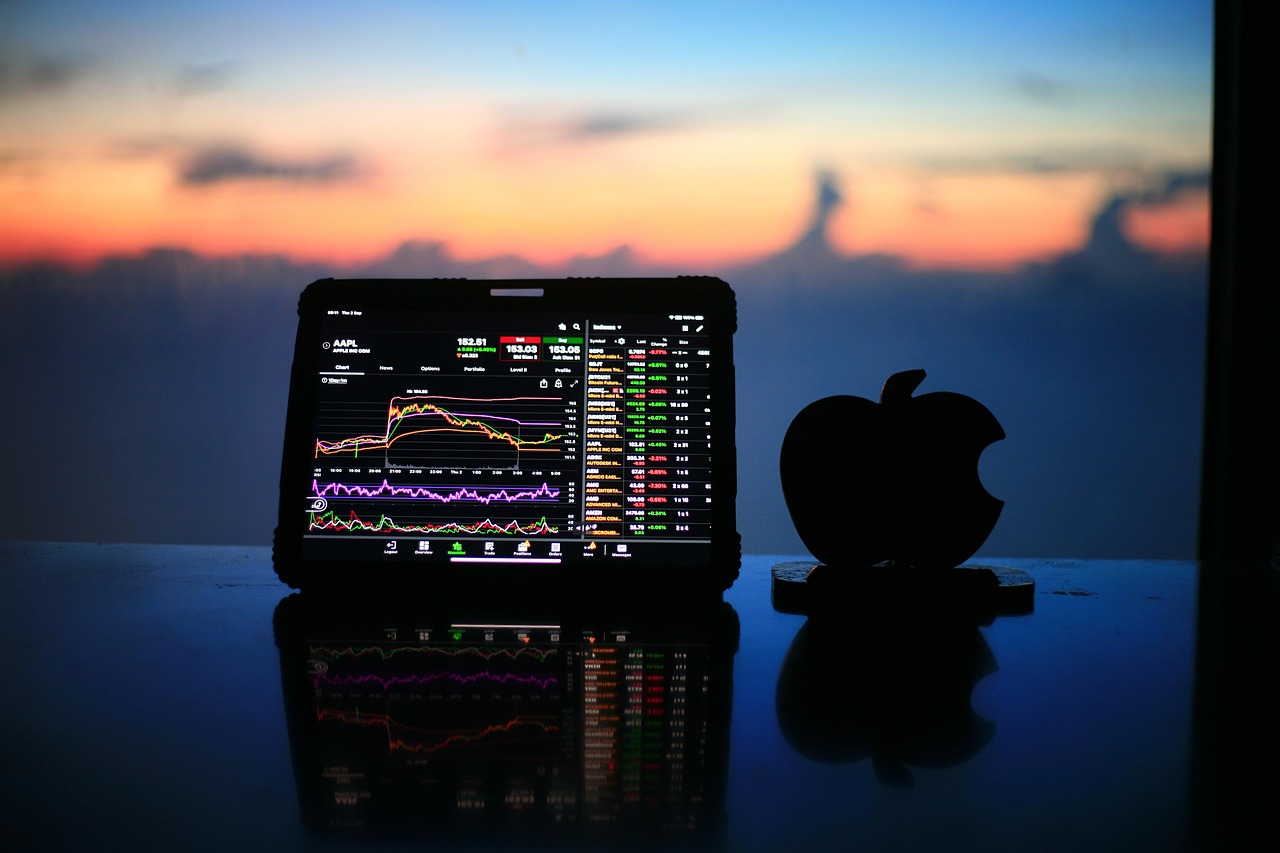
The ecosystem of currency translator apps includes various options, ranging from standalone apps to features integrated within broader financial platforms. Major categories include travel-focused apps, multi-currency wallets, and banking apps that incorporate exchange services. Each category is designed to cater to specific user needs, enabling both casual travelers and business users to handle currency exchanges effectively.
This visual represents the different types of currency translator apps and their specific utilities, enhancing user experience.
Key variants of currency translator apps focus on unique features, such as offline access, historical exchange rate tracking, and alerts for rate changes. For example, some allow users to monitor multiple currency pairs simultaneously, which benefits frequent traders or businesses that conduct regular international transactions. Which are updated frequently to reflect market fluctuations
The strengths of currency translator apps include their accessibility and ease of use. Most applications have user-friendly interfaces and provide instant conversions, saving time for users who may need quick information during transactions. Additionally, many apps offer features like calculators for small businesses, integrating easily into day-to-day operations.
However, users should be aware that currency translator apps are not optimal for all scenarios. They are not suitable for conducting large-scale financial analyses or investment decisions that require detailed market trends and predictive modeling. Instead, users needing comprehensive financial insights or deeper financial analysis should consider dedicated financial software or consulting services.
Users should also be cautious when relying solely on these apps for crucial financial decisions. Exchange rates may fluctuate quickly, and while the apps provide real-time values, they may not account for additional fees or unfavorable rates imposed by banks or currency exchanges. This can lead to discrepancies between the app’s quoted value and what users receive in actual transactions. Users input the amount they wish to convert
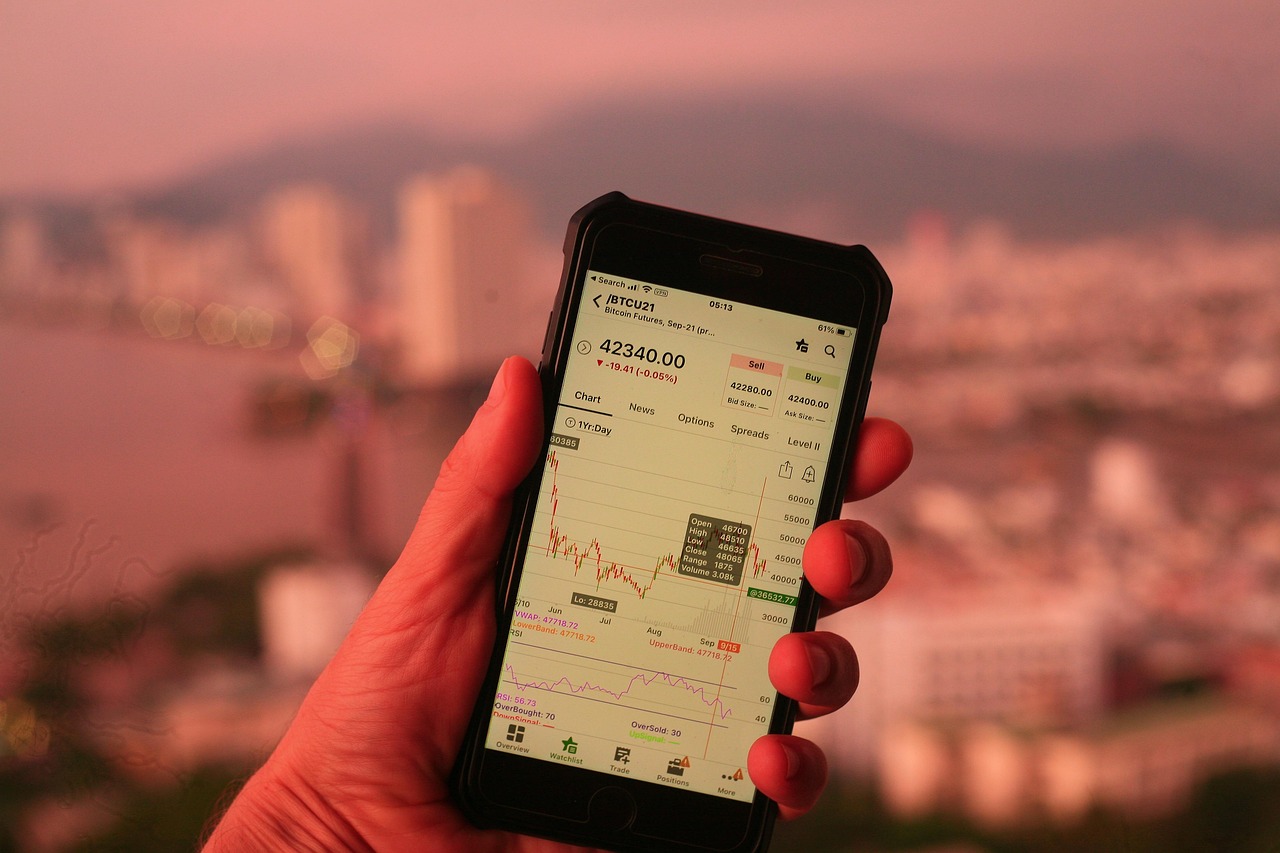
1. Identify the currencies you wish to convert.
2. Input the amount to be converted into the app.
3. Review the displayed exchange rate.
4. Confirm the conversion and note any additional fees.
5. Save or share the converted amount as needed.
| Feature | Standalone Apps | Integrated Platforms | Multi-Currency Wallets |
|——————————|———————–|————————-|————————-|
| Offline Access | Often available | Rarely | Usually available |
| Historical Rate Tracking | Common | Limited | Common |
| User Interface | Simplified for ease | Comprehensive | User-friendly |
Industry audits show that approximately 85% of travelers use currency translator apps to make informed decisions on spending abroad. Additionally, reports indicate that businesses engaging in international trade save an average of 15% on exchange fees by utilizing efficient currency translator tools.
In practice, currency translator apps serve a critical function for individuals and organizations operating in a global marketplace. By providing essential functionalities such as real-time conversion and user-friendly interfaces, they greatly contribute to efficient financial management in various scenarios.
Their adoption signals a growing need for financial adaptability in increasingly interconnected economies, conceding their relevance in contemporary trading and investment practices. Overall, the strategic use of currency translator apps can enhance decision-making and facilitate smoother international transactions.
In what situations would someone use a currency converter app?
Users commonly utilize a currency converter app while traveling abroad to understand how much they are spending in their home currency or when shopping online on international marketplaces. Such tools can also be used by businesses to calculate costs and pricing for international transactions.
How do currency conversion apps compare with bank conversion services?
Currency conversion apps typically offer more competitive rates and instant calculations compared to bank services, which may include additional fees for conversions. However, banks may provide more reliable rates and customer support, particularly for larger transactions, balancing convenience with service quality.
What factors should a user consider when choosing a currency conversion app?
Users should consider the app's accuracy in fetching real-time data, the range of supported currencies, user interface design, and any associated fees for conversions. It is also important to assess if the app provides historical data for better planning or if it simply offers real-time tools without broader financial context. However, this introduces tradeoffs that must be evaluated based on cost, complexity, or network conditions.