

Reviewed by Mia Thompson on January 21, 2026 at 04:11 PM. Recent evaluations have analyzed the performance and effectiveness of various arbitrage trading bots in different market conditions.
Arbitrage trading refers to the practice of taking advantage of price discrepancies between different markets or exchanges. An arbitrage trading bot is a software tool designed to automate trades that exploit these price differences. By executing trades faster and more efficiently than a human trader, these bots work to generate profits in a relatively low-risk environment.
An arbitrage trading bot functions by continuously monitoring multiple markets for price variations. When it identifies an opportunity, it simultaneously buys an asset at a lower price from one exchange and sells it at a higher price on another. This rapid decision-making process can capitalize on fleeting opportunities that would be difficult for manual traders to exploit.
Arbitrage trading bots are characterized by their ability to operate 24/7, as they can engage in trades across various time zones and schedules. They can manage multiple asset classes and exchanges, allowing for diversified trading strategies. Moreover, with the integration of advanced algorithms and machine learning, these bots continually improve their efficiency and effectiveness. Price discrepancies between different markets
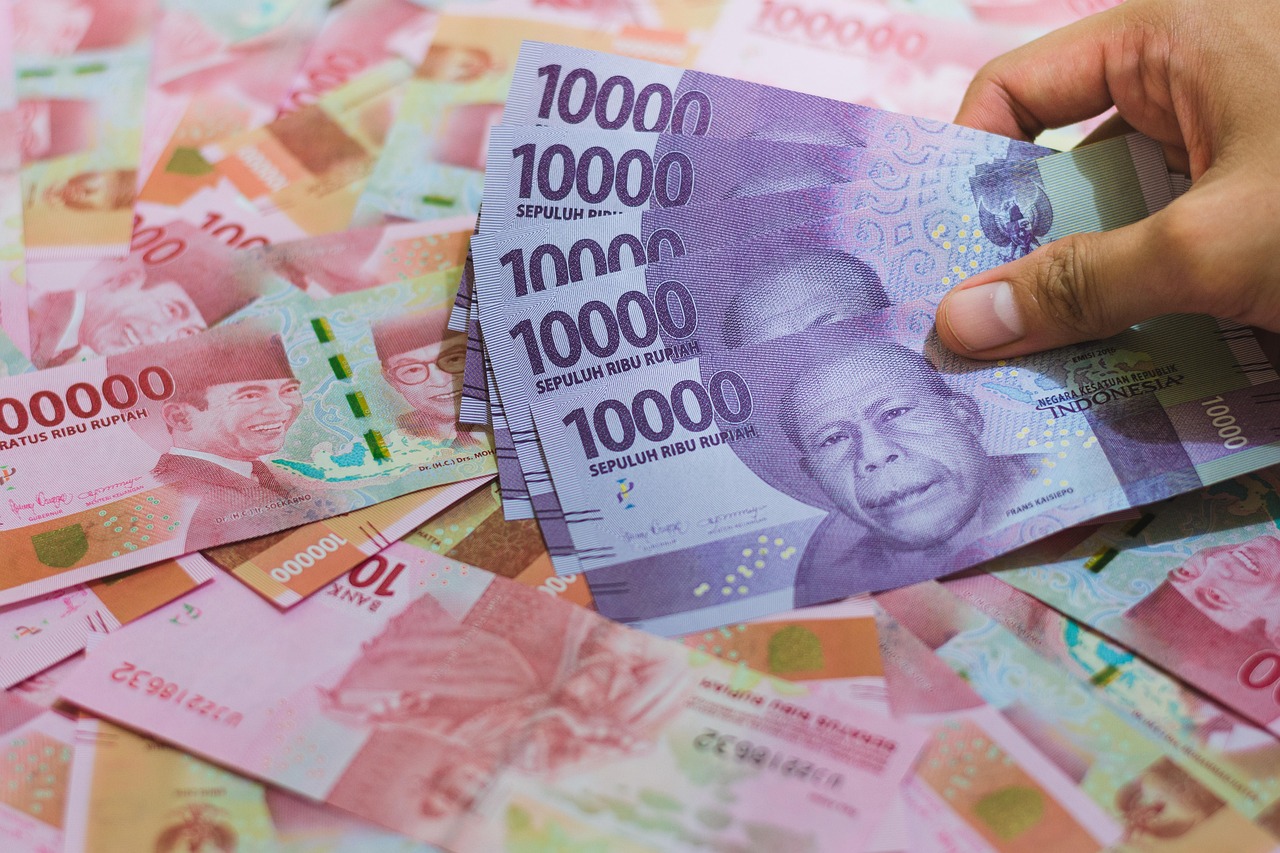
The use of an arbitrage trading bot can be advantageous in specific scenarios. For instance, it helps reduce emotional trading associated with day trading and allows for execution speed that is vital in cryptocurrencies, where prices can change rapidly. Additionally, the automated nature of the bot can free up valuable time for traders, enabling them to focus on strategic decisions rather than manual trade execution.
However, there are tradeoffs to consider when deploying an arbitrage trading bot. First, while the bot may excel at exploiting short-term price discrepancies, it may not be suitable for long-term investments or swings in market sentiment where larger trends play a more crucial role. Second, the effectiveness of the bot is highly reliant on market liquidity; in low liquidity conditions, order execution can lag, erasing potential profits. Third, users must remain vigilant regarding market abnormalities, as high-frequency trading could trigger increased volatility, leading to potential losses if not properly managed.
Step-By-Step Setup of an Arbitrage Trading Bot
1. Research and Choose a Bot: Assess various arbitrage trading bots available on the market based on features, support, and user reviews.
2. Create Exchange Accounts: Open accounts on multiple cryptocurrency exchanges that the bot will access.
3. API Key Generation: Generate API keys for the exchanges and configure the bot to connect to these accounts securely.
4. Bot Configuration: Set trading parameters including risk management settings, trading thresholds, and limits based on your strategy.
5. Test the Bot: Run the bot in a simulated environment or with minimal investment to validate its effectiveness without significant risk.
6. Monitor Performance: Continuously monitor the bot’s performance and adjust settings as necessary based on market conditions.
7. Risk Management: Establish risk mitigation strategies to protect your capital from unforeseen market movements.
Common Tools and Features of Arbitrage Trading Bots
Automate trades that exploit these price differences

| Feature | Description | Benefits |
|————————|——————————————————-|—————————–|
| Price Monitoring | Real-time analysis of prices across exchanges | Immediate alert to opportunities |
| Automated Trading | Executes trades based on predefined strategies | Increased efficiency |
| Risk Management | Strategies to curtail losses and manage exposure | Protects capital |
| Performance Analytics | Reports and insights on trading performance | Informed decision-making |
It is essential to assess the costs involved in using an arbitrage trading bot, as transaction fees can quickly add up across multiple trades and exchanges. The effective profit margin must consider these fees to determine overall profitability. Moreover, bots often require a subscription or licensing fee, which should also factor into the financial analysis before implementation.
The time commitment associated with deploying an arbitrage trading bot may appear minimal, yet adequate initial setup and regular monitoring remain critical. This ensures the bot adapts to changing market conditions and adjusts trading strategies effectively. The tradeoff lies in balancing automation with oversight to preempt potential errors inherent in fully automated systems. Continuously monitoring multiple markets for price variations

Users should also be aware of failure points inherent in arbitrage trading. For instance, network latency or execution delays can lead to missed opportunities. Additionally, improper configuration of the bot may result in erroneous trades or financial loss. It is crucial to have backup plans and fail-safes in place to mitigate these risks.
In conclusion, arbitrage trading bots offer a powerful tool for capitalizing on market inefficiencies. With the right setup and understanding of operating conditions, traders can potentially increase their profit margins while minimizing risks. However, due diligence, continuous monitoring, and active management are key to successful trading with these automated systems.
Key Takeaways
- Arbitrage trading bots automate the process of identifying and capitalizing on price discrepancies across different markets or exchanges.
- These bots typically rely on algorithms that execute trades quickly, aiming to exploit short-lived opportunities before they vanish.
- Successful arbitrage trading requires rigorous analysis of transaction costs and market volatility to ensure profitability.
What is an arbitrage trading bot?
An arbitrage trading bot is an automated software program that identifies price discrepancies for the same asset across different markets and executes trades to profit from these differences. It leverages speed and algorithms to capitalize on arbitrage opportunities more efficiently than manual trading.
How do traders utilize these bots in financial markets?
Traders use arbitrage trading bots to monitor multiple exchanges simultaneously and execute buy and sell orders almost instantaneously. This allows them to exploit small price variations and secure profits with minimal manual intervention.
What are some potential risks associated with using an arbitrage trading bot?
The main risks include market fluctuations that can reduce or eliminate profit margins, technical failures that may lead to ineffective trading, and the possibility of slippage or latency that can hinder execution. Additionally, regulatory changes in different jurisdictions can also impact bot effectiveness.